
The Biological Messengers Shaping Modern Health Science
From amino acids and cellular communication to peptide medicines, delivery systems, and the future of biotechnology, this guide explains peptide science in clear language without oversimplifying the biology.
The Simplest Definition
A peptide is a short chain of amino acids. Many peptides act as biological messengers, carrying precise instructions between cells, tissues, and organs.
How To Read This Guide
Think of peptides as part chemistry, part communication. The chemistry determines the peptide sequence and structure; the biology determines which receptor receives the signal and what happens next.
What Are Peptides?
Peptides are short chains of amino acids joined together by chemical links called peptide bonds. Amino acids are the same fundamental building blocks the body uses to construct proteins, but a peptide is usually smaller and often functions as a signal, regulator, or specialized biological tool rather than as a large structural machine.
The word “peptide” describes a molecular class, not a single treatment or a single biological effect. Human biology contains a vast variety of peptides. Some circulate as hormones. Some act locally between nearby cells. Some participate in nervous-system signaling. Others are involved in immune defense, digestion, vascular biology, reproduction, or metabolic regulation.
A useful analogy is language: amino acids are the letters; a peptide is a short message written with those letters; a larger protein is more like a complete machine, instruction manual, or complex piece of molecular architecture. The message is determined not only by which amino acids are present, but by the exact order in which they appear and the three-dimensional shape that sequence produces.
That sequence matters enormously. Changing one amino acid may do almost nothing, or it may dramatically alter receptor binding, stability, potency, or biological activity. In this sense, peptides are small molecules with extremely information-dense structures.
Key Concept
Peptides are not “one thing.” Insulin, glucagon, oxytocin, vasopressin, GLP-1, and many neuropeptides are all peptides, yet they perform very different jobs because their sequences and receptors are different.
Amino Acids, Peptides, and Proteins: What Is the Difference?
Amino acids, peptides, and proteins belong to the same biochemical family, but they represent different levels of molecular organization. The easiest way to understand the relationship is to imagine building with individual pieces.
Amino acids: the building blocks
Amino acids are small organic molecules that can connect to one another. Human proteins are built primarily from 20 standard amino acids, each with its own chemical properties. Some are more water-loving, some are more water-repelling, some carry electrical charge, and some create bends or rigid regions within a chain.
Peptides: short sequences with a message
When amino acids connect through peptide bonds, they form a chain. Shorter chains are commonly described as peptides. In practice, there is no single universal length that perfectly separates every peptide from every protein; the terms overlap at the edges. Function and structure matter as much as length.
Proteins: larger and structurally complex
Proteins are generally longer chains that fold into more elaborate three-dimensional structures. They can function as enzymes, antibodies, transporters, receptors, structural fibers, channels, motors, and countless other forms of cellular machinery.
A simple mental model is: amino acid = letter, peptide = message, protein = machine. It is not a perfect scientific definition, but it captures the relationship well enough for a reader to understand why peptide biology sits between basic chemistry and complex physiology.
How Do Peptides Work in the Body?
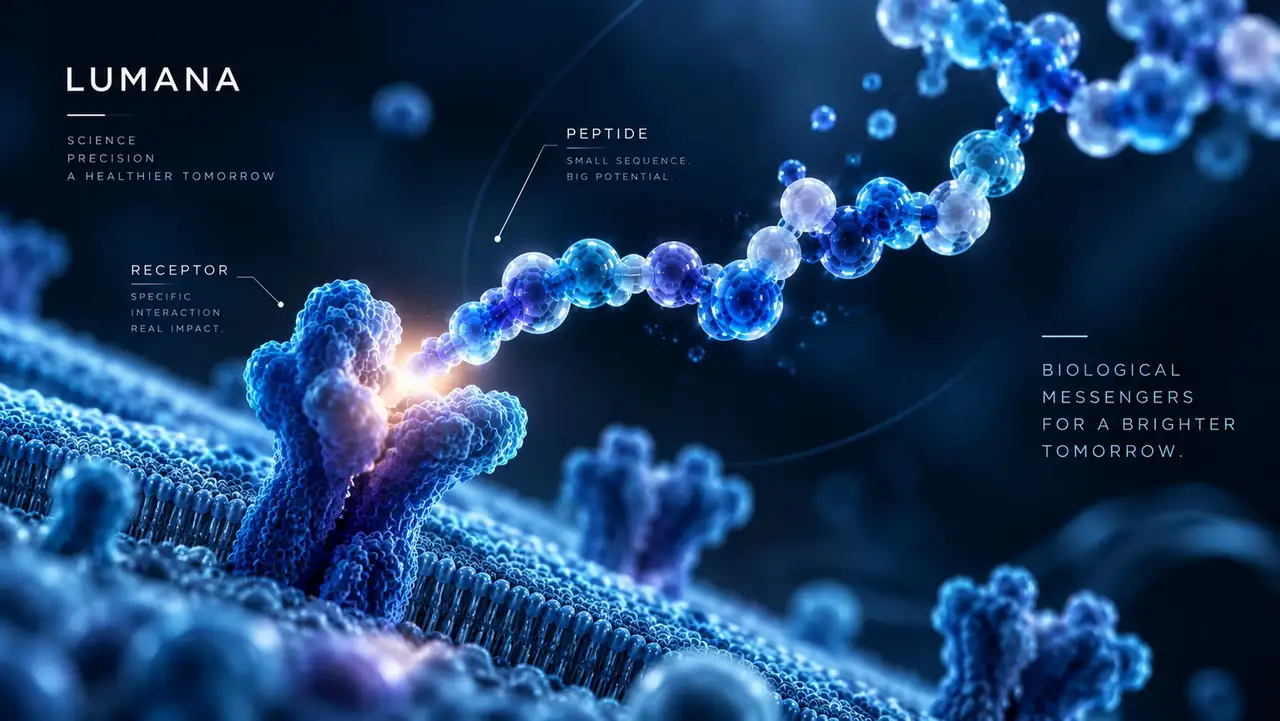
Many biologically active peptides work by binding to receptors. A receptor is a molecular structure that recognizes particular chemical signals. If the peptide has the right shape and chemical features, it can bind to that receptor much like a key fits a lock or a secure digital code activates the correct system.
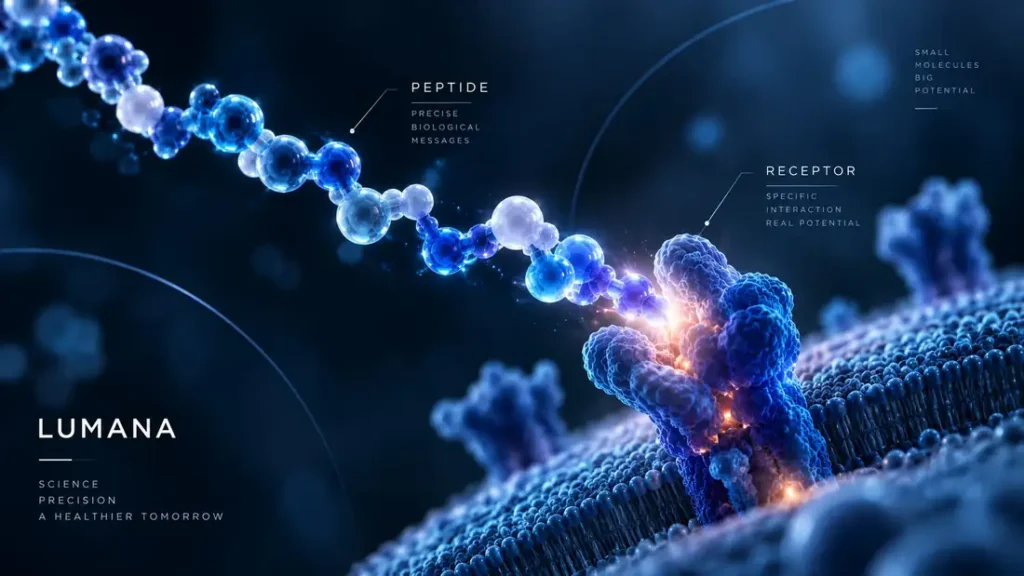
Binding is only the beginning. Once the receptor recognizes the peptide, it can trigger a cascade of events inside the cell. This process is called signal transduction. The signal may alter enzyme activity, ion movement, secretion, gene expression, metabolism, cell growth, or communication with other cells.
The peptide does not necessarily need to enter the cell itself. In many cases, it binds to a receptor on the cell surface and the receptor carries the message inward. This is similar to ringing a doorbell: the person pressing the button remains outside, but an internal system receives the signal and responds.
Specificity is one reason peptide biology is so interesting. A peptide may bind strongly to one receptor, weakly to another, or not at all to most receptors. The tissues that express the relevant receptor determine where the signal can be “heard.” The same peptide can also produce different effects in different tissues because the downstream signaling machinery is not identical everywhere.5
- Peptide sequence helps determine molecular shape.
- Molecular shape influences which receptor the peptide can recognize.
- Receptor location influences which tissues can respond.
- Receptor activation initiates intracellular signaling.
- The final biological effect depends on dose, timing, receptor density, metabolism, and the surrounding physiological environment.
Why Does the Human Body Use Peptides?
The body needs fast, precise, adaptable communication. Peptides are well suited to this job. They can be produced as larger precursor molecules, processed into active forms, stored in secretory vesicles, released in response to a specific stimulus, and then broken down when the message is no longer needed. Modern reviews of peptide hormones describe these molecules as central regulators of homeostasis, growth, reproduction, metabolism, and body-weight regulation.1
A familiar example: blood glucose
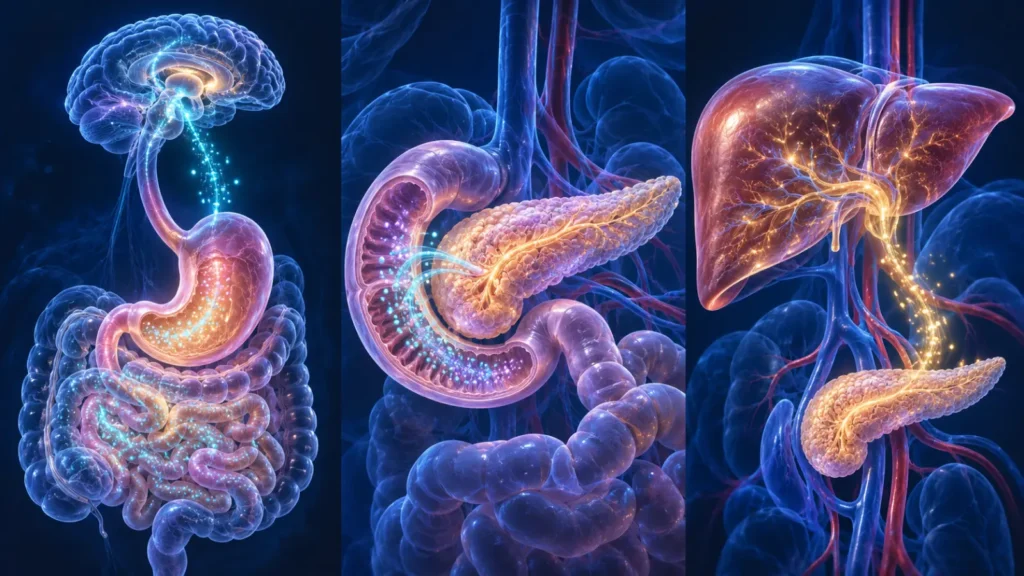
Consider blood glucose. When glucose rises after a meal, insulin helps coordinate the body’s response. During fasting, glucagon helps support glucose availability. In the gastrointestinal system, peptide signals participate in digestion, appetite, and communication between the gut and the brain. In the hypothalamic-pituitary system, peptide hormones help coordinate endocrine function. In the nervous system, neuropeptides can influence stress responses, pain, behavior, appetite, and circadian signaling.
This makes peptides ideal for biology because they can be produced when needed and degraded when the signal should end. Some natural peptide hormones have very short circulating half-lives, which is useful when the body needs highly dynamic regulation.1
A Biological Messaging Network
Your body does not operate through a single “master hormone.” It uses overlapping networks of peptide signals, steroid hormones, neurotransmitters, metabolites, and local cellular messengers. Peptides are one important language within that larger network.
Natural vs. Synthetic vs. Engineered Peptides
Natural peptides
Natural peptides are produced by living organisms. In humans, many peptide hormones begin as larger precursor proteins. Enzymes then cut and modify those precursors to produce the final biologically active peptide. Some peptides also undergo post-translational modifications that change receptor binding, stability, or activity.1
Synthetic peptides
A synthetic peptide is produced through laboratory chemistry rather than directly extracted from the body. Scientists can reproduce a known natural sequence with high precision. The word “synthetic” by itself does not imply that a molecule is dangerous or inferior; it describes how the molecule was made.
Engineered peptides
Engineered peptides are intentionally modified. A researcher may replace an amino acid, attach another chemical group, alter the termini, change the backbone, or combine receptor-active regions in order to modify how the molecule behaves. The goal might be greater stability, improved receptor selectivity, a longer half-life, better formulation, or a more convenient route of administration.
This is an important principle in modern drug development: researchers are not limited to copying nature exactly. They can study a naturally occurring biological signal and then redesign aspects of the molecule to improve its pharmaceutical properties.
Peptides in Modern Medicine
Peptide medicines are already an established part of modern pharmacology. Insulin is the classic example, but peptide-based or peptide-derived medicines now appear across endocrinology, metabolic medicine, reproductive medicine, osteoporosis treatment, and other therapeutic areas. FDA’s current regulatory work includes numerous peptide drug products, illustrating that peptides are a major and mature drug class as well as an active area of innovation.2,3
It is essential, however, to separate the molecular category from regulatory status. A compound being a peptide does not automatically mean it is an approved medication. Peptides discussed online may fall into very different categories: naturally occurring human peptides, approved prescription medicines, investigational drugs in clinical trials, compounded preparations, laboratory research reagents, or experimental compounds with very limited human data.
Those categories should never be treated as interchangeable. Approved peptide medicines have gone through defined development and regulatory processes for specific indications, formulations, doses, and routes. An experimental peptide may have an interesting biological mechanism without having established human efficacy or an adequate safety database.
Mechanism Is Not The Same As Medicine
A peptide can bind an interesting receptor in a laboratory experiment and still be far from a clinically validated therapy. Drug development requires evidence on identity, pharmacokinetics, dosing, safety, efficacy, manufacturing consistency, and more.
Major Areas of Peptide Research
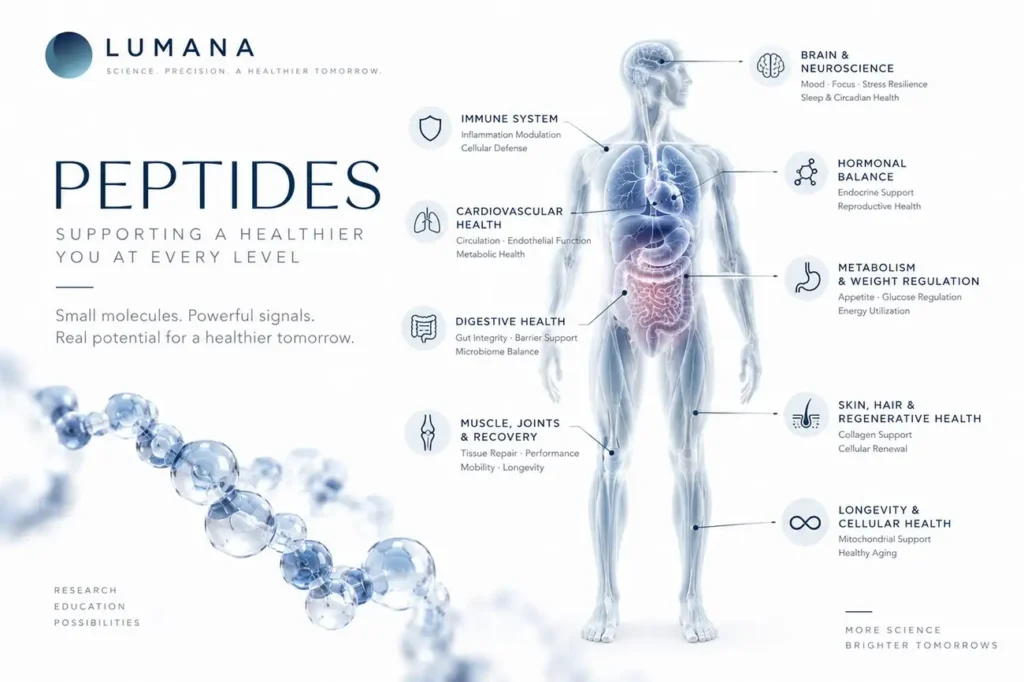
Peptide research spans many areas of biology because peptide signaling is distributed throughout the human body. Some fields already contain approved medicines; others remain experimental. The scientific opportunity is broad, but the strength of evidence varies considerably from one molecule and one indication to another.
Metabolism and appetite
Gut and pancreatic peptides participate in glucose control, energy balance, satiety, gastric function, and communication between the digestive system and the brain. The modern interest in incretin and amylin biology is one of the clearest examples of peptide physiology becoming a major therapeutic research field.6
Endocrine and reproductive biology
Peptide hormones coordinate communication between the hypothalamus, pituitary, pancreas, gonads, gastrointestinal tract, kidneys, and other endocrine tissues. Because endocrine systems operate through feedback loops, understanding the timing and pulsatility of peptide signals is often as important as understanding the molecule itself.7
Brain and neuroscience
Neuropeptides are involved in diverse functions including pain, stress, appetite, arousal, social behavior, endocrine regulation, and sleep-wake signaling. The nervous system is especially complex because a peptide may produce different effects depending on receptor distribution and the neural circuit in which it is released.8
Immune signaling and inflammation
Researchers study how peptides interact with innate immunity, inflammatory pathways, antimicrobial defense, and communication between immune cells and tissues. Findings from cell or animal models can be valuable, but they do not automatically establish a therapeutic benefit in humans.9
Tissue biology and repair
Peptide signaling is also being studied in vascular biology, extracellular matrix regulation, wound biology, tissue remodeling, and regeneration. Again, mechanism, preclinical evidence, and clinical proof are different levels of knowledge.10
Cellular and mitochondrial biology
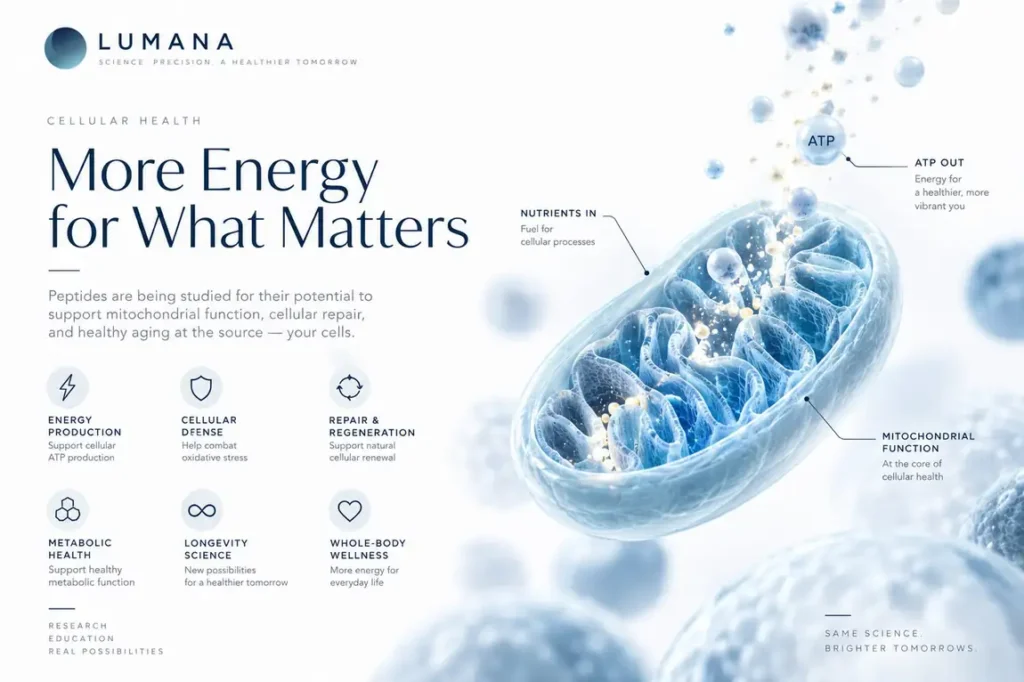
Some research programs investigate peptides that influence cellular stress responses, mitochondrial signaling, redox biology, or metabolic adaptation. These areas are scientifically interesting because mitochondrial function is central to energy metabolism, yet many candidate molecules remain investigational.11
Why Peptides Are So Interesting to Scientists
Peptides occupy an attractive middle ground between very small conventional drug molecules and much larger biologic drugs. They can often bind biological targets with high specificity while remaining chemically customizable. That combination gives researchers a large design space.
Editing the molecular message
One of the greatest advantages is the ability to change individual amino acids and observe how those changes alter receptor binding, potency, stability, solubility, or half-life. Scientists can essentially “edit” a molecular message and measure how biology responds.
A modern engineering toolkit
Modern peptide engineering can expand what a molecule is able to do:
- Multi-receptor agonists that act on more than one target at once
- Fatty-acid chains or other groups that prolong circulation
- Amino acids that resist enzymatic degradation
- Structural constraints that lock a peptide into a preferred shape
Recent reviews highlight receptor specificity and molecular tunability as major strengths of peptide therapeutics, while flagging delivery and stability as the challenges still being solved.4
A head start from evolution
Another reason peptides are compelling is that nature has already spent millions of years evolving signaling sequences. Researchers can start with biological systems that already exist and use them as blueprints for new molecular designs.
The Challenges of Peptide Development
Peptides are elegant signaling molecules, but they are not automatically easy drugs. In fact, many of their biological strengths create pharmaceutical challenges.
Enzymatic breakdown
Proteases and peptidases are enzymes that cut peptide bonds. The digestive tract is designed to break down proteins and peptides, and enzymes in blood and tissues can also degrade peptide molecules. This is one reason many natural peptides have short half-lives.
Oral absorption
A molecule taken by mouth must survive stomach acid and digestive enzymes, cross the intestinal barrier, and reach circulation in useful amounts. Many peptides do this poorly. Developing oral peptide delivery therefore requires specialized chemistry or formulation technology.
Membrane permeability and distribution
Many peptides are relatively large and polar compared with classic small-molecule drugs, making it difficult for them to cross cell membranes passively. That can limit access to intracellular targets or certain tissues.
Immunogenicity and impurities
Peptide drug development also considers the possibility of immune responses and the effects of peptide-related impurities. FDA guidance specifically discusses immunogenicity, pharmacokinetics, drug interactions, and other clinical pharmacology considerations as part of peptide drug development.2,12
Manufacturing precision
Peptide synthesis requires the correct amino-acid sequence and careful purification. As chains are assembled, incomplete reactions can create related impurities. Analytical methods such as chromatography and mass spectrometry are therefore important for confirming purity and molecular identity.
Why Quality Cannot Be Reduced To One Number
A purity percentage can be useful, but quality also involves correct identity, sequence, potency, stability, degradation products, residual materials, and—when relevant to an approved sterile medicine—controls for sterility, endotoxins, and particulates.
How Are Peptides Delivered?
There is no universal delivery route for peptides. The appropriate route depends on the specific molecule, formulation, approved indication, absorption characteristics, and safety data. A route that works for one peptide cannot simply be assumed to work for another.
Subcutaneous delivery
Subcutaneous administration places a medication into the fatty tissue beneath the skin. It is widely used for several established peptide medicines because it can allow reliable systemic absorption while avoiding digestion in the gastrointestinal tract.
Intravenous delivery
Intravenous administration delivers a compound directly into circulation. It can provide complete systemic availability but requires appropriate clinical formulation, sterility, administration technique, and monitoring.
Intramuscular delivery
Some peptide or protein products can be formulated for intramuscular delivery. Whether this route is appropriate depends entirely on the specific drug product and its validated formulation.
Nasal delivery
The nasal mucosa can provide a pathway for certain peptide formulations. However, absorption is highly molecule- and formulation-dependent, and nasal delivery should not be assumed to be effective simply because a compound is a peptide.
Oral delivery
Oral peptide delivery is one of the most challenging but active areas of pharmaceutical science. Successful products generally require specialized strategies to protect the peptide from degradation or improve absorption.13
Transdermal and emerging systems
Researchers are also exploring microneedles, nanoparticles, depots, implantable systems, and other technologies. The goal is to make peptide delivery more stable, predictable, and convenient without sacrificing pharmacological control.4
Are Peptides the Same as Steroids?
No. Peptides and steroids are fundamentally different molecular classes.
Peptides are chains of amino acids. Steroid hormones are built around a characteristic four-ring steroid structure and are synthesized from cholesterol. Testosterone, cortisol, estrogen, and progesterone are steroid hormones. Insulin and glucagon are peptide hormones.
Because steroid hormones are lipid-soluble, many can cross cell membranes and bind receptors inside the cell. Many peptide hormones, by contrast, bind to receptors on the cell surface and transmit their signal through intracellular signaling pathways. There are exceptions and nuances, but the underlying chemistry and receptor biology are very different.
Bottom Line
Calling peptides “a type of steroid” is scientifically incorrect. Both can be biological signals, but they are built differently, interact with cells differently, and are regulated differently.
Are All Peptides Hormones?
No. “Peptide” describes molecular structure; “hormone” describes a signaling role. Some peptides are hormones, but many are not.
A peptide hormone is generally produced in one tissue and released to communicate with other cells or organs, often through circulation. Insulin is a clear example. Other peptides function more locally, acting near the cell that released them. Some are neuropeptides within the nervous system. Others are antimicrobial peptides, signaling fragments, or components of larger biological pathways.
The reverse distinction is equally important: not all hormones are peptides. Testosterone and cortisol are steroid hormones; thyroid hormones are amino-acid-derived molecules; adrenaline is a catecholamine. The endocrine system therefore uses several different chemical languages.
The Future of Peptide Science
The future of peptide science is not simply about discovering more naturally occurring peptides. It is increasingly about designing molecules that communicate with biology more precisely and developing technologies that make those molecules easier to deliver and study.
Current research directions include longer-acting peptides, improved receptor selectivity, multi-receptor molecules, oral delivery platforms, targeted delivery systems, cell-penetrating peptides, improved stability, and computationally assisted peptide design. Modern reviews describe delivery platforms and molecular engineering as central to the next generation of peptide therapeutics.4
Artificial intelligence and advanced computational modeling may also accelerate discovery by predicting structures, receptor interactions, and promising sequences before every candidate is synthesized. High-throughput screening and peptidomics are expanding the ability to discover previously unrecognized bioactive peptides.14
At the same time, the future will depend on better evidence—not simply more molecules. A promising mechanism must still be translated into reproducible pharmacology, appropriate manufacturing, controlled clinical trials, and meaningful human outcomes.
The Real Frontier
The most important innovation may not be finding the “next miracle peptide.” It may be learning how to identify which peptide signals truly matter, engineer them intelligently, deliver them reliably, and test them rigorously.
Lumana and the Science of Peptides
At Lumana, peptide science is approached as a field that deserves both excitement and discipline. The molecules are fascinating, but responsible communication begins with understanding what is known, what remains experimental, and where evidence is still developing.
Our educational philosophy is built around four principles:
- Understand the molecule
- Understand the mechanism
- Understand the level of evidence
- Understand the limits of the evidence
That means avoiding the idea that every peptide discussed in research has already been proven to deliver a clinical benefit.
For readers, clinicians, researchers, and partners, the goal of Lumana Research is to make complex biotechnology easier to understand without stripping away the science that makes it meaningful. Clear language should not require exaggerated promises.
- Biology before buzzwords.
- Mechanism before marketing claims.
- Analytical rigor before assumptions.
- Evidence before certainty.
- Education as the foundation for better scientific decisions.
Peptides are small sequences with the potential to carry highly specific biological information. Learning how those messages work is one of the most compelling areas of modern biomedical science.
Frequently Asked Questions
What is a peptide in simple terms?
A peptide is a short chain of amino acids. Many peptides function as biological messengers, helping cells and organs communicate.
Are peptides naturally found in the body?
Yes. The human body naturally produces many peptides, including peptide hormones and neuropeptides involved in metabolism, growth, reproduction, fluid balance, digestion, and nervous-system signaling.
Are peptides proteins?
They are closely related, because both are made from amino acids. Peptides are generally shorter, while proteins tend to be larger and more structurally complex.
How do peptides know where to act?
Many peptides recognize specific receptors. Receptor distribution determines which tissues can respond, much like only the correct lock responds to a particular key.
Are peptides steroids?
No. Peptides are chains of amino acids. Steroids have a completely different chemical structure built around a steroid ring system.
Are all peptides injectable?
No. Delivery depends on the molecule and formulation. Some established peptide medicines are injected; other peptide products use or investigate nasal, oral, or other delivery strategies.
Why are many peptides difficult to take orally?
The digestive tract contains acid and enzymes designed to break down proteins and peptides, and many peptides also cross the intestinal barrier poorly.
What is peptide half-life?
Half-life describes how long it takes for the amount of a substance in the body to decrease by approximately half. Some natural peptides have very short half-lives, while engineered peptide drugs may be designed to last much longer.
Does a longer half-life mean a better peptide?
Not necessarily. The ideal duration depends on the biological target and clinical goal. A longer effect can be useful in one context and undesirable in another.
Does “synthetic” mean unsafe?
No. Synthetic describes how the molecule was produced. Safety depends on the specific compound, formulation, dose, route, manufacturing quality, and evidence.
Is every research peptide an approved medicine?
No. A research peptide may be intended only for laboratory investigation. Experimental molecules and approved medicines are not equivalent categories.
Does 99% purity prove a peptide is high quality?
Not by itself. Purity is one analytical parameter. Correct identity, sequence, concentration, stability, impurities, and other quality attributes also matter.
Why is peptide research growing so quickly?
Peptides can interact with biological targets with high specificity and can be engineered in many ways. Advances in synthesis, analytics, computational design, and drug delivery have made the field increasingly versatile.
Can laboratory results predict what will happen in humans?
Not reliably. Cell and animal studies can identify mechanisms and generate hypotheses, but well-designed human studies are needed to establish clinical safety and efficacy.
What is the most important thing to understand about peptides?
Peptides are a broad molecular class, not a single therapy. Each peptide has its own sequence, receptors, pharmacology, evidence base, risks, and potential applications.
Small molecules. Precise messages. A rapidly evolving science.
Peptides demonstrate one of the most elegant principles of biology: a molecule does not need to be large to carry an important message. Understanding how those messages are created, delivered, received, modified, and translated into medicine will continue to shape biotechnology for years to come.
Scientific References
- Coassolo L, Wiggenhorn A, Svensson KJ. Understanding peptide hormones: from precursor proteins to bioactive molecules. Trends in Biochemical Sciences. 2025;50(6):481–494. DOI: 10.1016/j.tibs.2025.03.014
- U.S. Food and Drug Administration. Clinical Pharmacology Considerations for Peptide Drug Products. Draft Guidance for Industry. December 2023.
- U.S. Food and Drug Administration. FDA Publishes Revised Draft Product-Specific Guidances for Certain Generic Peptide Products. July 28, 2026.
- Advance in peptide-based drug development: delivery platforms, therapeutics and vaccines. Signal Transduction and Targeted Therapy. 2025. Nature Portfolio. DOI: 10.1038/s41392-024-02107-5
- Kim J, Kim J, Choi C, Bae J, Choi HJ. Structural insights into GPCR signaling activated by peptide ligands: from molecular mechanism to therapeutic application. Experimental & Molecular Medicine. 2025;57(7):1467–1481. DOI: 10.1038/s12276-025-01497-y
- Zheng Z, Zong Y, Ma Y, Tian Y, Pang Y, Zhang C, Gao J. Glucagon-like peptide-1 receptor: mechanisms and advances in therapy. Signal Transduction and Targeted Therapy. 2024;9(1):234. DOI: 10.1038/s41392-024-01931-z
- Koysombat K, Dhillo WS, Abbara A. Assessing hypothalamic pituitary gonadal function in reproductive disorders. Clinical Science. 2023;137(11):863–879. DOI: 10.1042/CS20220146
- Bhat US, Shahi N, Surendran S, Babu K. Neuropeptides and behaviors: how small peptides regulate nervous system function and behavioral outputs. Frontiers in Molecular Neuroscience. 2021;14:786471. DOI: 10.3389/fnmol.2021.786471
- Sadeeq M, Li Y, Wang C, Hou F, Zuo J, Xiong P. Unlocking the power of antimicrobial peptides: advances in production, optimization, and therapeutics. Frontiers in Cellular and Infection Microbiology. 2025;15:1528583. DOI: 10.3389/fcimb.2025.1528583
- Md Fadilah NI, Shahabudin NA, Mohd Razif RA, Sanyal A, Ghosh A, Baharin KI, Ahmad H, Maarof M, Motta A, Fauzi MB. Discovery of bioactive peptides as therapeutic agents for skin wound repair. Journal of Tissue Engineering. 2024;15:20417314241280359. DOI: 10.1177/20417314241280359
- Merry TL, Chan A, Woodhead JST, Reynolds JC, Kumagai H, Kim SJ, Lee C. Mitochondrial-derived peptides in energy metabolism. American Journal of Physiology-Endocrinology and Metabolism. 2020;319(4):E659–E666. DOI: 10.1152/ajpendo.00249.2020
- Achilleos K, Petrou C, Nicolaidou V, Sarigiannis Y. Beyond efficacy: ensuring safety in peptide therapeutics through immunogenicity assessment. Journal of Peptide Science. 2025;31(6):e70016. DOI: 10.1002/psc.70016
- Bohley M, Leroux JC. Gastrointestinal permeation enhancers beyond sodium caprate and SNAC – what is coming next? Advanced Science. 2024;11(33):e2400843. DOI: 10.1002/advs.202400843
- Goles M, Daza A, Cabas-Mora G, Sarmiento-Varón L, Sepúlveda-Yañez J, Anvari-Kazemabad H, Davari MD, Uribe-Paredes R, Olivera-Nappa Á, Navarrete MA, Medina-Ortiz D. Peptide-based drug discovery through artificial intelligence: towards an autonomous design of therapeutic peptides. Briefings in Bioinformatics. 2024;25(4):bbae275. DOI: 10.1093/bib/bbae275
Educational Use
This article is intended for scientific and educational communication. It does not establish that any specific experimental or research peptide is safe, effective, or appropriate for human use, and it is not a substitute for medical advice or product-specific regulatory information.