
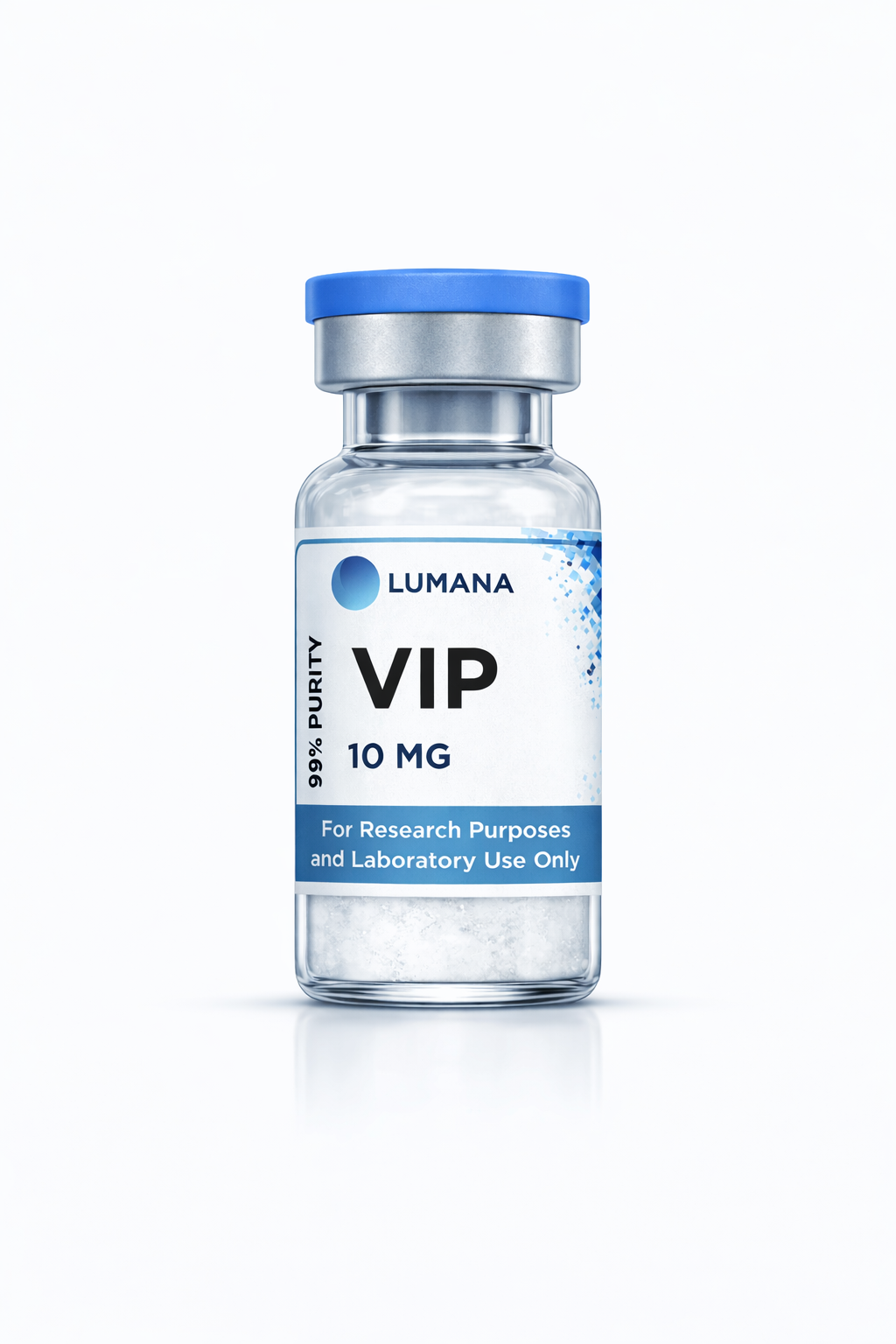

Overview of VIP in Research
VIP is a synthetic version of vasoactive intestinal peptide, a naturally occurring neuropeptide involved in cellular communication. Researchers actively study this compound for its role in inflammation signaling and immune response pathways. As interest in healing peptides continues to expand, this peptide has become an important focus in laboratory research involving regulatory and recovery processes.
Additionally, scientists explore how this compound interacts with biological systems that control cellular signaling. It allows researchers to examine how neuropeptides influence communication between cells under controlled conditions. Therefore, this peptide plays a key role in studies focused on inflammation research and tissue repair mechanisms.
Inflammation and Immune Response Research
Researchers investigate how this peptide influences inflammation-related pathways. They study how biological systems regulate immune responses when exposed to specific compounds. Furthermore, scientists analyze how this peptide affects signaling processes associated with inflammatory balance.
Moreover, this compound enables researchers to explore how immune signaling connects with tissue repair and recovery. It provides insights into how biological systems maintain balance during stress and healing phases. As a result, this peptide remains highly relevant in immune and inflammation research.
Cellular Communication and Recovery Pathways
Scientists examine how this compound contributes to cellular communication and recovery processes. They study how biological systems coordinate signaling between cells during repair phases. Additionally, researchers use this peptide to better understand how regulatory pathways influence tissue stability.
Furthermore, this compound supports research into oxidative stress and cellular function. It allows scientists to evaluate how cells maintain balance under varying experimental conditions. Consequently, researchers continue to explore this peptide in advanced healing and recovery studies.
Research Applications and Handling
Researchers use this compound strictly in controlled laboratory environments. It is typically supplied in lyophilized form to preserve stability and purity. Additionally, proper storage ensures consistent research outcomes.
Furthermore, scientists follow established laboratory protocols when reconstituting and handling this peptide. This approach helps maintain accuracy and reproducibility in experimental settings.
Available Dosage
- 10mg
Important Disclaimer
This product is intended for research use only. It is not intended for human consumption, medical use, or therapeutic applications. Researchers must comply with all applicable laboratory regulations.
Explore More Healing & Regenerative Peptides
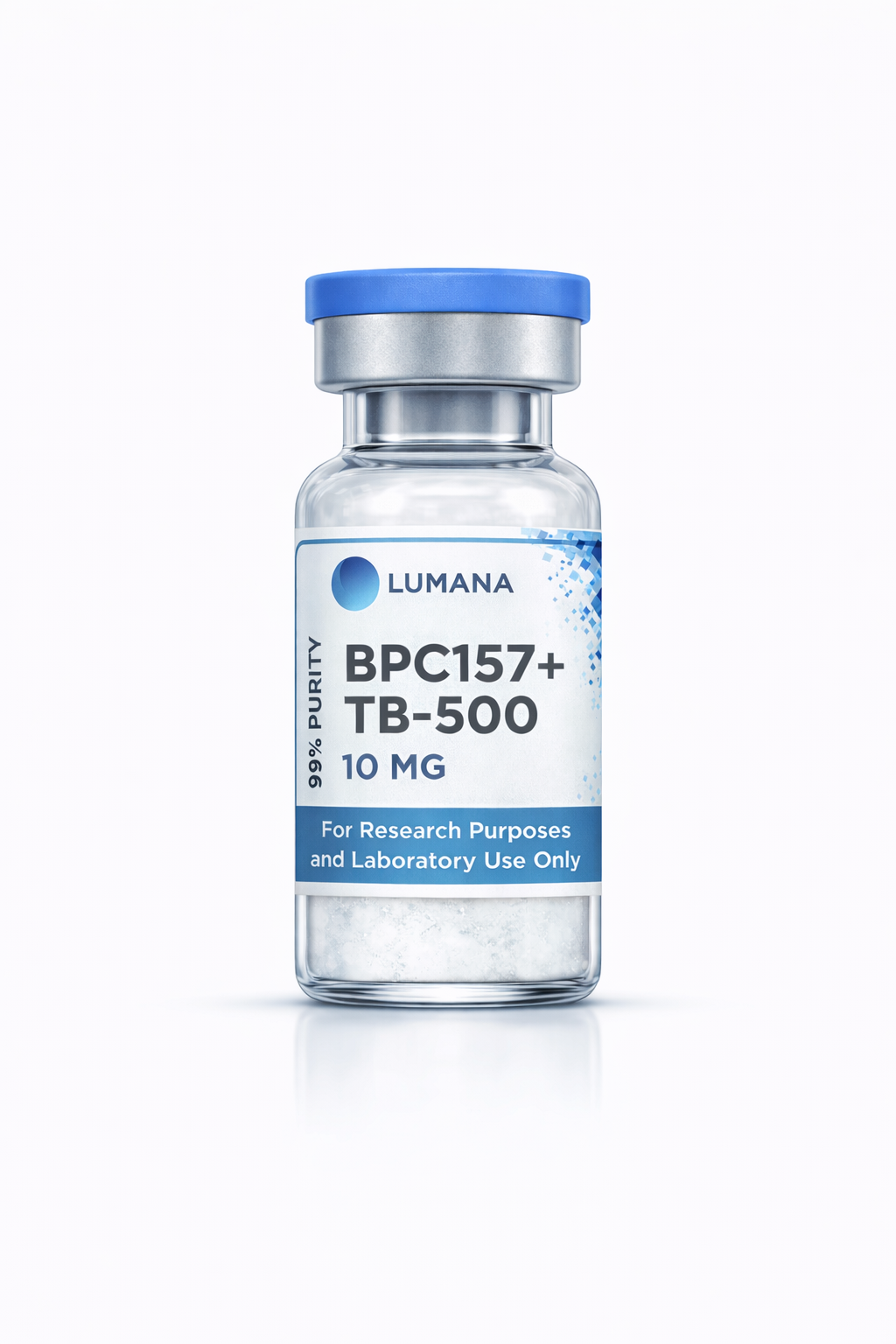
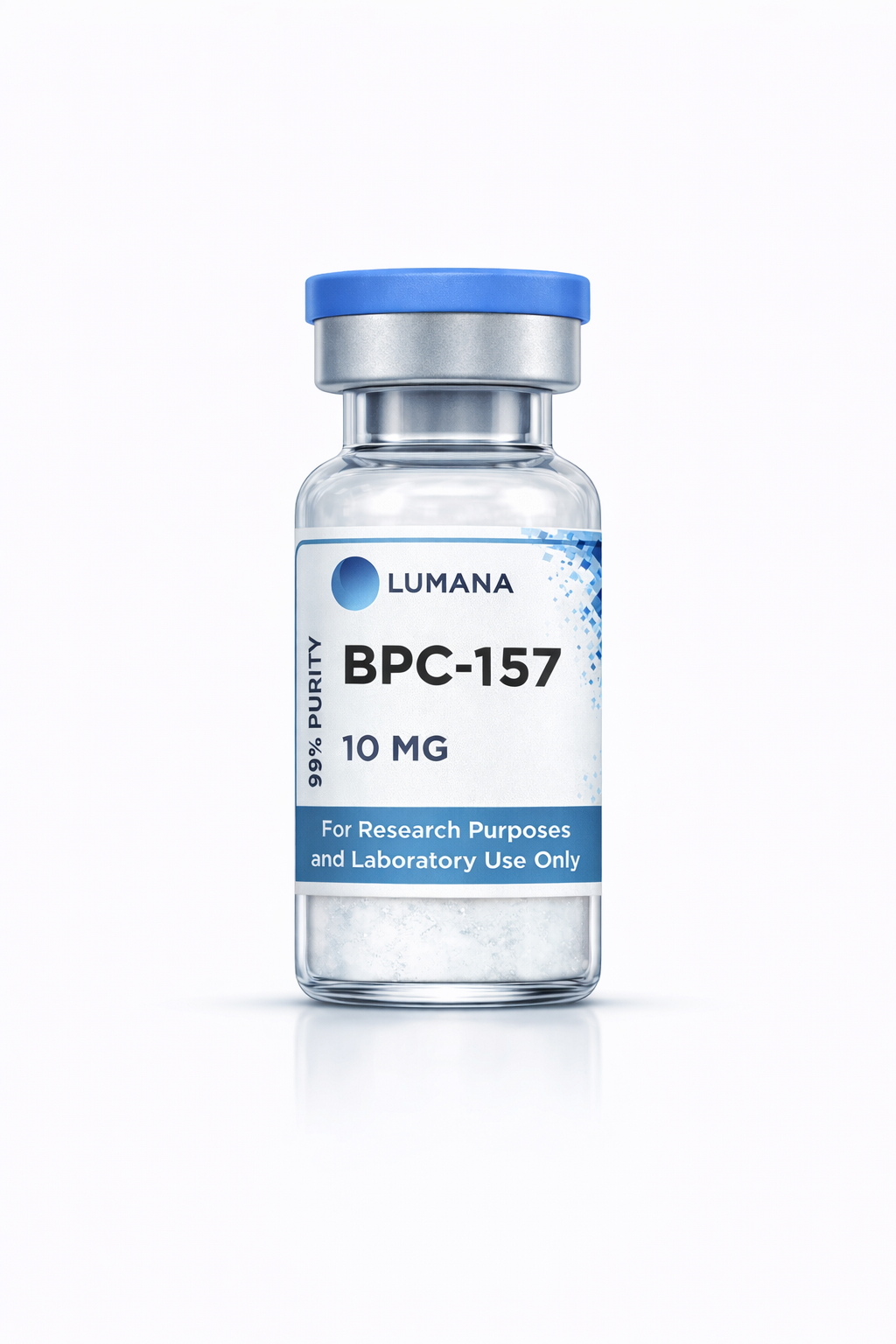
- BPC-157
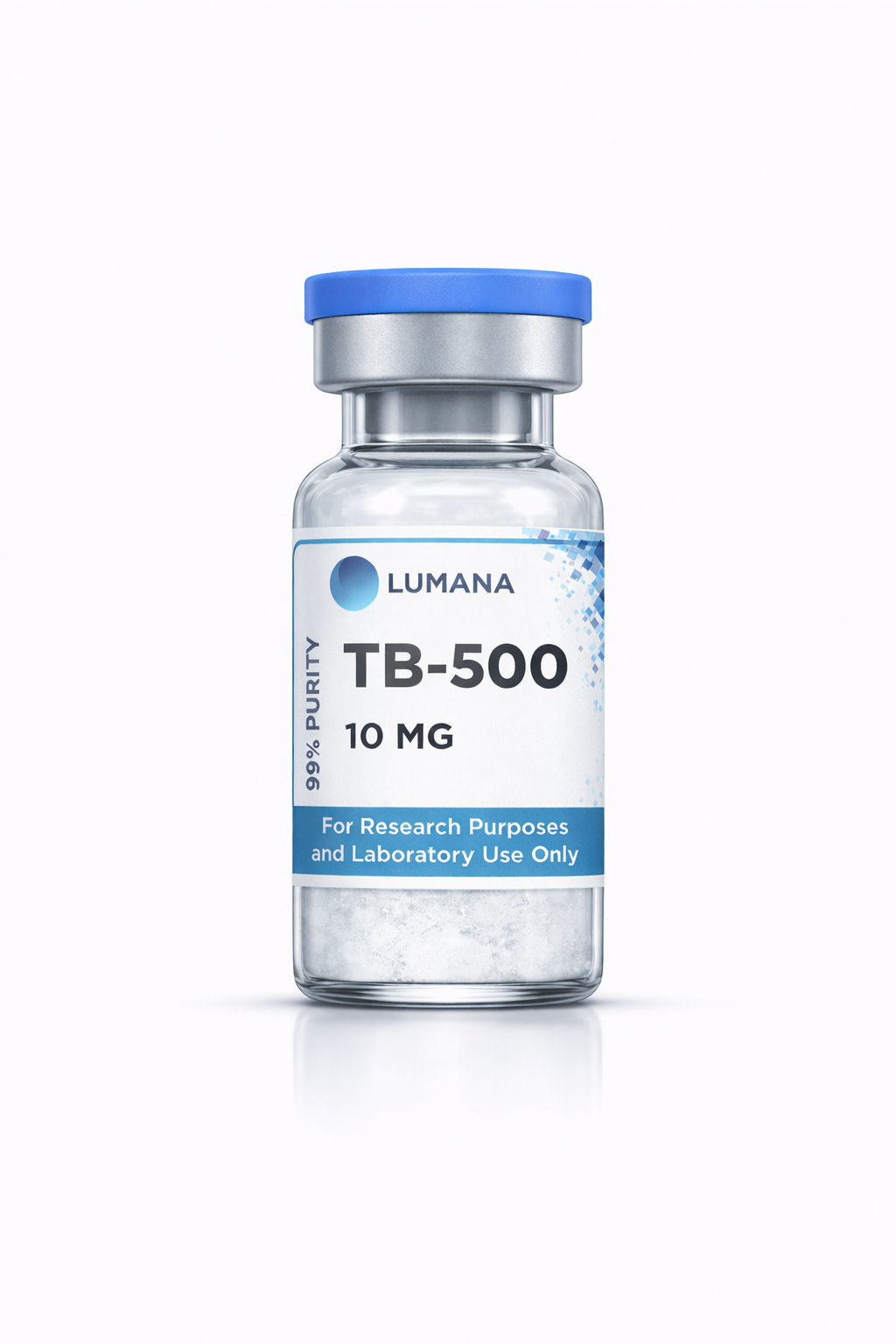
- TB-500
- KPV


Reviews
There are no reviews yet.